

The Nature of Risk-Taking
Risk-taking in gambling is inherently tied to human psychology, encompassing a complex interplay of emotions, motivations, and cognitive biases. At its core, individuals who engage in gambling often seek thrills and excitement driven by the uncertainty of outcomes. The adrenaline rush associated with the potential for substantial wins can create a euphoric state, prompting players to take risks that they might otherwise avoid in their daily lives, especially when considering factors like instant casino withdrawal time and the overall gaming experience. This desire for excitement can be viewed as an evolutionary trait, where taking risks can lead to greater rewards, ultimately enhancing survival chances.
Moreover, the perception of risk is frequently skewed by cognitive biases such as the illusion of control. Gamblers often believe they can influence outcomes, even in games of chance where fate plays a significant role. This belief can lead to reckless behavior, as individuals may take on more risk than they should, convinced they possess some level of mastery. The excitement surrounding this perceived control can increase the frequency and intensity of gambling activities, further embedding risk-taking into their behavioral patterns.
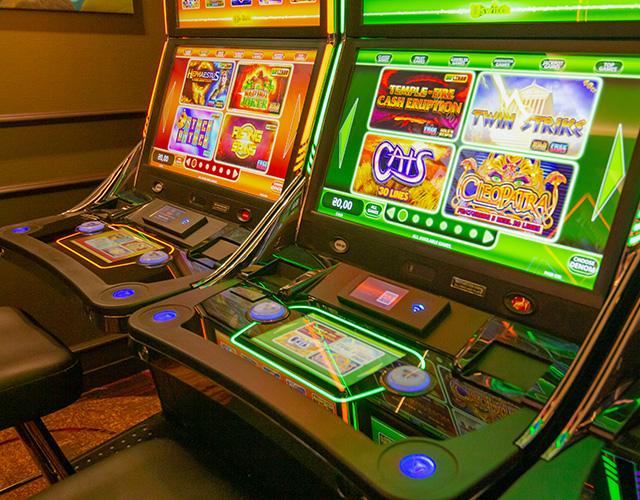
Additionally, the context of gambling environments can significantly affect an individual’s propensity to take risks. For example, the ambiance of gambling venues, often characterized by flashing lights, captivating sounds, and a vibrant atmosphere, creates a stimulating environment that heightens emotions and encourages players to make bolder bets. Research indicates that environmental cues impact decision-making processes, further driving individuals toward higher levels of risk in pursuit of immediate gratification.
Psychological Rewards and the Gambler’s Fallacy
One of the fascinating aspects of gambling is the psychological rewards that accompany risk-taking behaviors. Winning, no matter how small, can lead to a surge in dopamine, a neurotransmitter associated with pleasure and reward. This biochemical response reinforces the behavior, creating a cycle where the gambler repeatedly seeks that high. Even after experiencing losses, some individuals may return to gambling in hopes of recouping their losses, a behavior often fueled by the gambler’s fallacy—the belief that past outcomes can influence future ones.
The gambler’s fallacy reveals a common cognitive distortion where players think that a “winning streak” or “losing streak” will continue based on recent results. This misinterpretation can lead individuals to take irrational risks, as they may double down on bets in a misguided attempt to recover previous losses. The allure of breaking even can be powerful, often overshadowing logical reasoning and promoting further risk-taking despite unfavorable odds.

Moreover, the psychological impact of reinforcement schedules plays a significant role in gambling behavior. When rewards are unpredictable, they can create a stronger urge to gamble, as players are motivated by the possibility of a win. This principle is particularly evident in games such as slot machines, where sporadic payouts generate excitement and anticipation. The unpredictability can amplify the thrill of risk-taking, making it challenging for individuals to step back, assess, and regulate their gambling habits rationally.
The Role of Social Influences on Risk-Taking
Social dynamics significantly influence the psychology of risk-taking in gambling, as individuals often engage in these activities within social contexts. Peer pressure can play a pivotal role, encouraging individuals to gamble in the presence of others or to increase their bets to impress friends. This social reinforcement can create a sense of belonging or validation, further entrenching risk-taking behaviors as individuals seek acceptance within their social circles. The thrill of collective gambling experiences can amplify individual tendencies to take risks, leading to decisions that may not be made in isolation.
Moreover, cultural attitudes toward gambling can shape perceptions of risk and reward. In some societies, gambling may be viewed as a harmless pastime, while in others, it is considered a vice. These cultural narratives can influence individual behaviors, leading some to take more risks due to societal acceptance or normalization of gambling. For instance, in cultures that celebrate high-stakes gambling or view it as a path to wealth, individuals may be more inclined to engage in risky gambling behavior, motivated by the potential for financial gain and social prestige.
The rise of online gaming and social media has further transformed the landscape of gambling, making it easier for individuals to engage with their peers through these platforms. Online leaderboards, social sharing features, and community competitions can amplify the thrill of gambling, enhancing the social aspect and encouraging risk-taking behavior. As individuals strive to achieve status or recognition among peers, they may find themselves taking greater risks than they would in solitary gambling environments, further complicating their understanding of risk and reward.
Emotional Regulation and Gambling
Emotional regulation plays a critical role in the psychology of gambling and risk-taking. For many individuals, gambling serves as an escape from stressors, allowing them to momentarily forget their problems and experience a rush of excitement. However, the need for emotional coping can lead to problematic gambling behaviors, as individuals may find themselves relying on gambling as a primary method for managing negative emotions. This tendency is particularly true for those who have not developed healthier coping mechanisms, making it essential to understand the emotional triggers that lead to risk-taking.
The cycle of emotional highs and lows experienced in gambling can make it challenging to step away from the activity. Winning can lead to euphoria, while losing can result in feelings of despair or frustration. This emotional rollercoaster can perpetuate a compulsive need to gamble, where individuals feel compelled to chase the highs associated with winning or to alleviate the lows stemming from losses. Here, the quest for emotional relief complicates the ability to evaluate behaviors rationally and responsibly, often leading to a continuous cycle of risk-taking.
To address these emotional underpinnings, it is crucial for individuals to develop healthy coping strategies and emotional regulation techniques. Engaging in mindfulness practices, seeking therapy, or finding alternative hobbies can help individuals manage their emotional states without resorting to gambling as a coping mechanism. By fostering a greater awareness of their emotional triggers and finding healthier outlets, individuals can navigate the complexities of risk-taking behavior in a more balanced and sustainable manner.
Understanding the Psychological Landscape of Gambling
Exploring the psychology of risk-taking in gambling reveals a multifaceted landscape where emotions, social influences, and cognitive biases converge. Understanding these elements can empower individuals to make more informed decisions while gambling. Recognizing that gambling can activate deep-seated psychological needs, such as the desire for excitement or emotional relief, is essential for promoting healthier behaviors and reducing the risk of compulsive gambling. The awareness of these psychological drivers can also encourage individuals to approach gambling more thoughtfully.
Moreover, developing a broader awareness of the external and internal factors that drive risk-taking can pave the way for more responsible gambling practices. With a deeper understanding of how the brain responds to risk and reward, individuals may be better equipped to manage their gambling habits, respecting their limits while still enjoying the thrill of the experience. This balance is crucial as it allows individuals to partake in gambling activities without succumbing to the detrimental effects of excessive risk-taking.
As an organization committed to promoting healthy gambling behaviors, we encourage individuals to reflect on their motivations and emotional states when engaging in gambling activities. Understanding the psychology behind risk-taking can lead to more meaningful interactions with games of chance, ultimately fostering an environment that prioritizes enjoyment over excessive risk. By providing resources and support, we seek to empower individuals to make choices that enhance their well-being and enjoyment in the world of gambling, promoting a healthier perspective on risk and reward.
